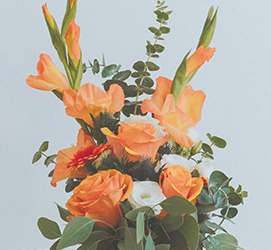
What Walworth residents must know about recycling flowers
Posted on 10/10/2026
Fresh flowers brighten a room, soften a difficult week, and make ordinary moments feel a bit more special. But once the bouquet starts to droop, many Walworth residents pause over the bin and wonder what to do next. Should the stems go in food waste? Can petals be composted? What about florist wrap, ribbon, or the little water tube hiding in the bunch?
This guide to What Walworth residents must know about recycling flowers is here to make that decision easier. It explains how flower recycling works in everyday life, what is actually reusable or compostable, and where people tend to trip up. You will also find practical steps, a comparison table, a checklist, and a few common-sense tips that save mess, time, and hassle. Truth be told, flower waste is one of those small jobs that becomes much simpler once you know the rules.
Whether you are clearing a vase after a birthday, sorting old funeral flowers, or trying to reduce household waste in SE17, the aim is the same: make the most of each stem before it is thrown away.
Table of Contents
- Why recycling flowers matters in Walworth
- How flower recycling works
- Key benefits and practical advantages
- Who this is for and when it makes sense
- Step-by-step guidance
- Expert tips for better results
- Common mistakes to avoid
- Tools, resources and recommendations
- Law, compliance, standards, or best practice
- Options, methods, or comparison table
- Case study or real-world example
- Practical checklist
- Conclusion
- Frequently asked questions
Why What Walworth residents must know about recycling flowers Matters
Flower waste is small, but it adds up quickly. A single bouquet may look harmless in the bin, yet over a week it can mean stems, leaves, compostable paper, plastic sleeves, tags, ribbon, foam, and bits of cellophane all mixed together. That mix makes recycling harder, and it can send a lot of otherwise useful material to landfill or incineration.
For Walworth residents, this matters for a few simple reasons. First, space is tight in many homes and flats, so waste has to be handled efficiently. Second, most people in the area want to do the right thing without creating extra faff. And third, flowers are a good test case for everyday sustainability: if you can sort a bouquet properly, you are usually doing the same careful thinking for other household waste too.
There is also the emotional side. Flowers often come with a memory attached. A birthday bunch from a friend, funeral flowers, a thank-you arrangement from work, or a small bunch bought on a rainy Friday at the end of a long week. That can make disposal feel oddly personal. Reusing, drying, composting, or separating the parts gently can feel like a more respectful ending. Not always necessary, but often nice.
And let's face it: nobody wants a vase of rotting stems sitting on the kitchen counter for three days. A clear plan is better.
How What Walworth residents must know about recycling flowers Works
Flower recycling is less about a single official rule and more about understanding the materials in a bouquet. Different parts of the arrangement go to different places. Some can be composted, some can be reused, and some need to be removed before anything else can be recycled.
1. The flower itself
Petals, leaves, soft stems, and unsprayed garden flowers are often suitable for home composting if you have a compost system. In some cases, municipal food and garden waste collections may accept organic flower material, but local arrangements can vary, so residents should check their own waste guidance rather than assuming. A bouquet is not the same as a bag of garden clippings; the wrapping and additives change things.
2. The non-organic extras
Plastic wrap, floral foam, elastic bands, wire, glitter, ribbon, and decorative picks do not belong with compost. These need to be separated carefully. Some paper wraps may be recyclable if they are clean and dry, but once they are wet, waxy, laminated, or heavily printed, they often are not.
3. The vase water
Old vase water should usually be poured away before sorting the flowers. Dirty water can smell quickly, especially in a warm flat or a kitchen near radiators. It is a small step, but it makes the rest of the process easier and cleaner.
4. The condition of the flowers
Fresh, clean blooms are the easiest to reuse or dry. Faded flowers can still be composted, while mouldy or slimy ones should be handled more cautiously. If flowers have been treated with glitter spray or artificial dye, that may affect what you can do with them afterwards.
The practical idea is simple: separate natural material from synthetic material, then decide whether the natural part is reusable, dryable, or compostable. Once you see it that way, the whole process becomes much less mysterious.
Key Benefits and Practical Advantages
Recycling flowers properly does more than reduce waste. It gives you a few useful everyday wins too.
- Less household waste: Sorting flowers means fewer mixed items ending up in the general bin.
- Better compost quality: Clean plant matter breaks down more cleanly than flower bunches full of plastic sleeves and wire.
- Longer value from each bouquet: Some flowers can be dried, pressed, or reused in smaller arrangements.
- Cleaner recycling habits overall: Once you learn to separate bouquet parts, you tend to spot contamination in other waste streams more easily.
- More respectful handling of sentimental flowers: Funeral, sympathy, or anniversary flowers can be treated with care instead of simply binned.
There is also a quieter benefit. Sorting flowers gently can feel grounding. A little odd, perhaps, but real. You trim the stems, remove the ribbon, and suddenly the task is manageable instead of annoying.
For people in Walworth who care about sustainability but do not have time for elaborate systems, flower recycling is one of the more accessible habits to adopt. Small effort, visible result. That is usually a good trade.
Who This Is For and When It Makes Sense
This topic is relevant to more people than you might think.
Households receiving regular bouquets
If you often buy flowers for birthdays, anniversaries, or weekend home touches, you will eventually need a repeatable way to deal with the leftovers. A little routine saves time.
People organising events
Weddings, wakes, parties, and community gatherings often leave behind many arrangements at once. In those cases, the question is not just how to dispose of one bouquet, but how to sort several dozen stems efficiently.
Local businesses and offices
Reception flowers, event styling, and client gifts can generate a steady stream of floral waste. Offices in particular benefit from a clear process, especially if staff are expected to handle the arrangements themselves.
Anyone trying to reduce avoidable waste
Even if you only have flowers once in a while, knowing the basics helps. It avoids that awkward "I think this can go in the recycling?" moment we all have at the kitchen bin. You know the one.
People with gardens or compost bins
Gardeners usually have the easiest route. If you already compost, flower heads and stems can often be part of the mix, as long as they are free from synthetic extras and not diseased.
It makes sense whenever you want to reduce waste, save money, or treat flowers with a bit more thought. That is the honest answer.
Step-by-Step Guidance
If you want a practical process, use this one. It is simple enough for daily life and careful enough to avoid the usual mistakes.
- Empty the vase. Pour away the water and remove any debris that has settled at the bottom.
- Take off the packaging. Separate paper wrap, cellophane, ribbon, elastic bands, wire supports, and any foam.
- Sort by material. Put natural plant matter aside from plastic and other synthetic parts.
- Check for reuse. If the flowers are still fresh, move them to a smaller vase, dry them, or use them in a different arrangement.
- Decide on disposal. Compost suitable stems and petals if you have a composting route, or follow your local organic waste guidance if applicable.
- Recycle only clean packaging. Paper wraps may be recyclable if they are clean and not coated; otherwise, they usually need to go in general waste.
- Rinse the vase. A quick rinse stops residue drying on and helps the next bunch last longer.
A sensible trick is to do this the same day the flowers start to look tired, not three days later when the water is cloudy and the petals are shedding like confetti. That tiny bit of discipline makes the whole job far less grim.
What to do with different flower leftovers
| Item | Best next step | Why it matters |
|---|---|---|
| Fresh stems and petals | Compost or organic waste route | Organic material breaks down well if kept clean |
| Wilted but clean flowers | Dry, press, or compost | Still usable for crafts or soil improvement |
| Plastic wrap | Remove before any recycling decision | Contamination ruins recycling streams |
| Ribbon or elastic | General waste unless clearly reusable | Usually too mixed or small for recycling |
| Floral foam | General waste in most cases | Not usually accepted in household recycling |
| Clean paper wrap | Recycle only if uncontaminated | Paper with moisture or coating is often rejected |
Expert Tips for Better Results
Small habits make a big difference here. In our experience, the households that handle flower waste best are the ones that keep things simple and consistent.
Choose low-waste flowers from the start
If you are buying flowers often, look for arrangements with minimal plastic packaging and less floral foam. A bunch tied with paper and string is easier to deal with at the end than one wrapped in layers of mixed materials.
Keep a small sorting spot near the sink
A bowl or tray for ribbons, labels, and wraps helps you avoid scattering bits across the counter. It sounds fussy, but it is a life-saver on busy mornings.
Dry flowers before binning sentimental ones
If the bouquet has meaning, hang the stems upside down in a dry room for a few days. Even a short drying period can preserve colour and shape for a bit longer. Not forever, obviously. But long enough to matter.
Compost clean petals and leaves only
Only add material that is free from plastic, wire, and visible chemicals. If the flowers have been sprayed heavily with decoration, it is better to be cautious.
Do not overpack your compost
Flower heads can clump and become wet, especially after rain-soaked deliveries or if you have dumped in a whole bouquet at once. Mix them with drier garden or kitchen compost materials if you can.
Use a "last day" vase routine
Many people wait too long. A better habit is to check flowers each evening, trim drooping stems, and remove anything slimy. A few seconds here prevents the whole bunch from going off at once.
One more thing: if the bouquet came from a florist, the arrangement may include hidden support items under the flowers. Always check underneath before you assume everything is organic. Those sneaky little bits are easy to miss.
Common Mistakes to Avoid
Most flower-recycling problems come from one of these simple errors.
- Putting the whole bouquet into recycling: This is the biggest mistake. Mixed bouquets are not clean recycling.
- Leaving plastic wrap attached: Even a small strip of plastic can contaminate organic waste or paper recycling.
- Forgetting wire and foam: Support materials often sit deep inside the bouquet and get overlooked.
- Composting treated flowers without checking: Glitter sprays, artificial colour, and chemical-heavy decorations may not belong in home compost.
- Mixing wet paper with clean paper: Damp paper wrap can spoil the whole recycling pile.
- Delaying sorting too long: Once flowers decay, they become harder to handle and smell worse. Nobody enjoys that.
- Assuming all councils collect the same way: Waste rules can differ by local area, so do not copy a neighbour's setup without checking.
A good rule is this: if you would not want it in your compost or recycling stream, separate it before it gets there. Simple, but it works.
Tools, Resources and Recommendations
You do not need special equipment to recycle flowers well, but a few basic items make the process easier.
- Kitchen scissors or florist snips: Useful for cutting stems into smaller compostable pieces.
- A sorting tray or bowl: Keeps packaging bits in one place.
- Reusable vase clips or bands: Helpful if you want to re-stem a bouquet instead of discarding it all at once.
- Paper bag or small caddy: Handy for storing dry paper wrap separately before disposal.
- Compost bin or food-waste caddy: If your setup allows organic flower matter, this is the cleanest route.
It can also help to keep a small household rule card near the bins: flowers, paper wrap, plastic wrap, ribbon, foam. Five seconds of thought beats ten minutes of rummaging later.
If you are buying flowers regularly in Walworth, it is sensible to choose a florist that is clear about care, packaging, and aftercare. A business that explains delivery, presentation, and sustainability tends to be easier to work with. For example, readers often find it useful to browse options from a local florist in Walworth that supports simple, well-presented arrangements and gives straightforward care guidance. You may also want to review the site's flower care advice and its sustainability information if you are trying to reduce waste from the start.
Law, Compliance, Standards, or Best Practice
Flower recycling usually does not involve complex legal rules for households, but best practice still matters. In the UK, waste should be sorted in a way that avoids contamination and follows local collection guidance. That means checking whether your borough accepts organic garden-style waste or food waste in a particular caddy system, rather than assuming flower stems can go anywhere plant-based.
For businesses, the expectations are a little stricter. Offices, event venues, wedding teams, and florists handling larger amounts of floral waste should keep mixed waste under control and separate recyclable material where possible. If flowers are used for displays or events, the packaging and support materials need to be reviewed just as carefully as the blooms themselves.
Best practice is also about hygiene and safety. Rotting flowers can smell, attract fruit flies, and create damp bins. If you are handling large quantities, empty the waste promptly and keep the area clean. That is just common sense, but common sense is worth saying out loud sometimes.
For transparency and customer confidence, it also helps when local businesses publish clear policies around delivery, returns, and care. If you are ordering flowers for an occasion and want to understand what to expect, the site's delivery information, returns and refund policy, and terms and conditions can help set those expectations before the flowers arrive. That kind of clarity matters when you are trying to plan for gifts, events, or subscriptions without extra waste.
Options, Methods, or Comparison Table
Not every bouquet should be handled the same way. The best method depends on the condition of the flowers, the packaging, and what facilities you have at home. Here is a straightforward comparison.
| Method | Best for | Pros | Limits |
|---|---|---|---|
| Home composting | Clean stems, petals, and leaves | Low waste, simple, good for gardeners | Not suitable for plastic, wire, or treated blooms |
| Drying or pressing | Sentimental or decorative flowers | Extends life, good for keepsakes | Requires dry space and patience |
| Reuse in smaller vases | Fresh flowers with a few wilted stems | Gets more value from the bouquet | Only works while flowers are still in decent shape |
| Household organic waste collection, where accepted | Plant matter that fits local rules | Convenient and efficient | Depends on local collection guidance |
| General waste | Foam, contaminated wrap, mixed rubbish | Safe fallback | Least sustainable option |
If you are unsure which route to take, start with separation. Once the bouquet is split into clean parts, the right disposal method usually becomes obvious. That is the trick, really.
Case Study or Real-World Example
Here is a simple real-world example from a typical Walworth household situation.
A resident receives a mixed bouquet after a birthday dinner on a Friday evening. The flowers look lovely on the table for two days, but by Monday morning the roses are tired, the lilies are dropping pollen, and the water has gone cloudy. Instead of throwing the whole arrangement in one bin bag, the resident takes five minutes to sort it.
The paper wrap is dry and clean, so it is set aside for recycling. The plastic sleeve is removed and binned. The elastic band and ribbon go into general waste. The stems are cut down into small pieces and placed in a compost caddy. A couple of the healthier blooms are moved to a smaller vase on the windowsill for one more day of enjoyment.
Nothing dramatic. No special tools. No elaborate system.
But the result is better: less waste, less smell, and a bouquet that lasted a little longer than expected. That is usually how good household habits work. Not in one big heroic gesture. Just in those small, sensible steps.
Practical Checklist
Use this before you throw away any bouquet.
- Remove all water from the vase.
- Separate flowers from packaging.
- Check for plastic sleeves, ribbons, and labels.
- Look for hidden wire or floral foam.
- Decide whether the flowers can be reused, dried, or pressed.
- Only compost clean organic material.
- Put contaminated or synthetic parts into the correct waste stream.
- Rinse the vase so it is ready for next time.
- Check local organic waste guidance if you are not sure.
- Handle sentimental flowers gently, not hurriedly.
If you can tick all ten, you are doing well. If not, no drama. Start with the first three next time and build from there.
Get a free quote today and see how much you can save.
Conclusion
What Walworth residents must know about recycling flowers is refreshingly straightforward once you strip away the guesswork. Keep the natural parts separate from the synthetic ones, compost or reuse what you can, and do not assume the whole bouquet belongs in one bin. A little care goes a long way.
For many homes, that means a cleaner kitchen, less waste, and a better end for flowers that once made the room feel brighter. For businesses and event organisers, it means a tidier process and fewer mistakes. And for anyone with a sentimental bunch on the table, it means the flowers can be honoured properly before they are gone.
Small jobs matter. Especially the quiet ones.
Frequently Asked Questions
Can I put dead flowers in the compost?
Yes, often you can, as long as the flowers are clean and free from plastic, wire, foam, and other synthetic materials. If the blooms are heavily treated or contaminated, it is better to keep them out of home compost.
Are flower stems recyclable?
Flower stems themselves are usually not recyclable in the usual household recycling stream because they are organic material. They are better suited to composting or an appropriate organic waste collection, if your local system accepts them.
Can I recycle the paper wrapping from a bouquet?
Sometimes, yes. Clean, dry paper wrap may be recyclable, but if it is wet, coated, laminated, glittery, or heavily printed, it may not be accepted. Once in doubt, keep it out of the paper recycling.
What should I do with floral foam?
Floral foam normally goes in general waste. It is not usually accepted in household recycling or composting, so it should be separated from the flowers as soon as possible.
Can I reuse flowers instead of throwing them away?
Yes. If the flowers are still fresh enough, move them to a smaller vase, trim the stems, or dry them for later use. Even one extra day can make the bouquet feel more worthwhile.
Do funeral flowers get recycled differently?
The process is usually the same: separate natural plant material from packaging and support items. Because funeral flowers can be sentimental, many people prefer to dry, press, or share them before disposal. That is more a personal choice than a formal rule.
What if my bouquet has glitter or artificial dye?
If the flowers have been heavily decorated with glitter or synthetic colouring, be more cautious. Those materials can make composting a poor choice, and the safest route may be to separate what you can and place the rest in general waste.
Is it better to compost flowers or put them in general waste?
Composting is usually the better option for clean flower material because it keeps organic matter out of landfill-style waste streams. General waste is the fallback when the bouquet includes too many non-organic extras or contaminated parts.
How do I stop flowers smelling before bin day?
Remove the water, trim the stems, and sort the bouquet as soon as it starts to fade. If you need to wait, keep the waste in a sealed caddy or bag and empty it promptly. Warm rooms make the smell worse, especially in summer.
Can a florist help me reduce flower waste?
Yes, a good florist can make a real difference by using simpler packaging, fresher blooms, and clearer care guidance. If you order regularly, it is worth choosing arrangements that are easier to maintain and dispose of responsibly.
What is the biggest mistake people make when recycling flowers?
The biggest mistake is treating the whole bouquet as one material stream. Flowers, plastic wrap, ribbon, foam, and wire all need different handling. Once you separate them, the rest gets much easier.
Where can I find more practical flower guidance?
Start with care advice, delivery information, and sustainability details from the florist or supplier. For local customers, useful pages include flower care guidance and sustainability information, which help you make better decisions before and after the bouquet arrives.